The equestrian industry has always balanced tradition with innovation. But in 2026, the pace of change feels noticeably faster.
From changing consumer expectations and a greater focus on horse welfare to AI, digital discovery and the continued evolution of social media, equestrian brands are operating in a market where simply having a good product is no longer enough.
Consumers want to know who you are, what you stand for and why they should trust you.
For equestrian businesses, that makes understanding industry trends about far more than following the latest colours, products or social media formats. The bigger question is: what is changing the way equestrians discover, evaluate and buy from brands?
Ashley Rossiter MCIPR, Founder and Managing Director of award-winning equestrian PR and marketing agency MirrorMePR, shares the trends she believes equestrian businesses should be paying attention to.
1. Horse Welfare Is Becoming Part of Brand Reputation
Horse welfare isn’t a trend – and it certainly shouldn’t be treated as one.
What is changing is the level of attention being given to welfare, transparency and the ethical use of horses across equestrian sport and the wider industry.
For equestrian brands, this matters.
Consumers are increasingly alert to the values behind the businesses they support. Sponsorships, ambassadors, imagery, influencer partnerships and campaign messaging can all say something about a company’s approach to horse welfare.
Brands therefore need to look beyond what they communicate and consider what their partnerships and marketing choices communicate on their behalf.
Ashley’s view:
“Authenticity has always mattered in the horse world because equestrians are incredibly knowledgeable consumers. Brands can’t simply attach themselves to the right rider or use beautiful equestrian imagery and expect credibility. The values and actions behind the campaign need to stand up too.”
2. AI Is Changing How Equestrian Brands Get Discovered
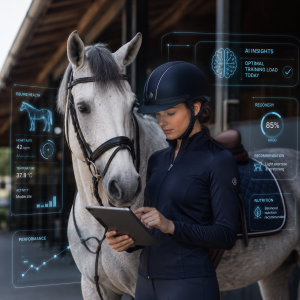
SEO is changing. AI in PR is real.
Google still matters enormously, but consumers are increasingly using AI-powered search and large language models (LLMs) to research products, compare brands and ask highly specific questions.
Instead of typing something like best horse rug into a search engine, a consumer can ask an AI platform:
What is the best lightweight turnout rug for a clipped horse living out in unpredictable British weather?
That distinction is important.
Equestrian brands need useful, authoritative online content that answers the real questions their customers ask.
Clear FAQs, expert commentary, original insight, product information, PR coverage and authoritative third-party mentions are therefore becoming increasingly valuable components of digital visibility.
It means PR, SEO, brand authority and AI visibility are becoming much more closely connected.
At MirrorMePR, we see this as one of the most significant shifts in equestrian marketing.
The brands that invest in becoming credible sources of information now are putting themselves in a much stronger position for the next generation of online discovery.
3. Human Expertise Will Become More Valuable, Not Less
AI can produce content in seconds.
And that is precisely why genuinely good human content is becoming more valuable.
The internet is becoming saturated with generic articles, repetitive social captions and near-identical advice. Equestrian consumers, however, tend to be particularly good at spotting content written by someone who doesn’t really understand horses.
Knowing the difference between turnout and stable management, understanding competition culture or recognising why seemingly minor details matter to riders cannot simply be replaced by producing more content.
For equestrian brands, lived experience is a marketing advantage.
Use AI intelligently, certainly. But combine it with qualified expertise, first-hand experience, strong journalism and genuine opinions.
The future isn’t about choosing between AI and humans.
It’s about using technology without removing the human authority that makes content worth reading.
4. Equestrian Consumers Want Proof, Not Just Promotion
There was a time when polished campaign imagery and a recognisable ambassador could do much of the heavy lifting for a brand.
Today’s consumer wants more.
They read reviews. They watch riders using products. They look at comments. They compare alternatives. They search for independent editorial coverage. They notice how companies respond when something goes wrong.
This makes social proof and third-party credibility increasingly important.
For PR teams, the opportunity is significant.
A strong piece of editorial coverage can deliver far more than awareness. It can provide an independent signal of credibility, generate an authoritative backlink, create content for social media and potentially strengthen the wider digital footprint around a brand.
PR should therefore no longer sit in isolation from SEO, social media and digital marketing.
The strongest campaigns make all of these elements work together.
5. Micro-Influence Is Maturing
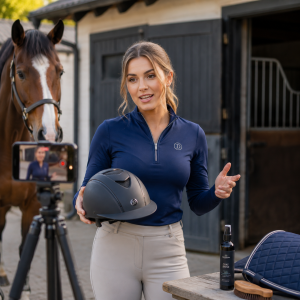
The biggest following doesn’t necessarily create the biggest influence.
Within equestrian marketing, relevance, trust and community can be considerably more powerful than follower numbers alone.
A rider with a smaller but highly engaged audience within dressage, eventing, showing, racing or everyday horse ownership may offer a brand much greater relevance than a general lifestyle influencer with hundreds of thousands of followers.
That doesn’t mean large influencers or high-profile riders have lost their value.
It means brands need to become more sophisticated about why they are choosing someone.
Before investing in an equestrian influencer or ambassador, ask:
- Does their audience match ours?
- Do they regularly engage with their followers?
- Do they have genuine engagement with their followers, and are their followers real or bots?
- Would they realistically use our product?
- Do their values complement our brand?
- Can this relationship develop into credible storytelling rather than another sponsored post?
The right partnership should feel natural to the audience.
6. Community Is Becoming a Commercial Advantage
One of the most interesting developments in digital marketing is actually very human: people want connection.
Equestrianism already has incredibly strong communities, both online and offline. Successful brands understand how to become part of those communities rather than constantly selling to them.
That might mean educational content, useful Facebook discussions, grassroots sponsorship, riding-club partnerships, events, expert Q&As, or simply responding properly to customers online.
Community building takes longer than running an advert.
But the resulting trust can be considerably harder for competitors to replicate.
7. Equestrian Brands Need to Think Beyond Social Media
Social media is valuable, but it isn’t a complete marketing strategy.
Algorithms change. Reach fluctuates. Platforms fall in and out of favour.
A business that relies almost entirely on Instagram or TikTok is effectively building a substantial part of its brand on rented digital land.
In 2026, a solid equestrian marketing strategy needs multiple touchpoints, not just one.
Your website, search visibility, email database, PR coverage, backlinks, partnerships, events, social channels and expert content should support each other.
At MirrorMePR, we’ve always advocated a multimedia approach because consumers rarely encounter a brand only once before purchasing.
They might see a rider using a product, read an article about it, visit the company’s Instagram account, search Google, check reviews and then return to the website weeks later.
Good marketing makes those individual moments feel like one coherent brand experience.
8. Founder-Led Brands Have an Opportunity
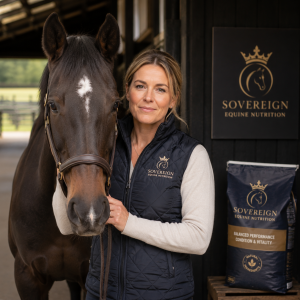
People connect with people.
For smaller and independent equestrian businesses in particular, founders often possess something major companies spend considerable sums trying to manufacture: a genuine story.
Why did you start the business?
What problem were you trying to solve?
What have horses taught you?
What do you believe needs to change within your area of the industry?
Founder expertise can fuel PR features, LinkedIn content, podcasts, opinion pieces, video and social media.
But personal branding shouldn’t mean documenting every detail of your life.
The goal is to identify the knowledge, personality and point of view that give customers another reason to trust the business behind the products.
9. Sustainability Claims Will Need Substance
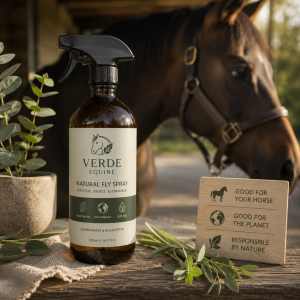
Equestrian consumers care about the environment, but vague sustainability language is becoming less persuasive.
Words such as green, eco-friendly and sustainable need context.
What has actually changed?
Has packaging been reduced? Are products designed to last longer? Can something be repaired rather than replaced? Has the business changed materials, manufacturing or transportation? Can the claim be demonstrated?
Specificity builds credibility.
For PR purposes, a measurable development also creates a far stronger story than a broad sustainability statement.
10. Brand Authority Will Be One of the Biggest Equestrian Marketing Trends
Perhaps the biggest shift isn’t a platform or technology at all.
It’s authority.
With consumers faced with more products, more content and more AI-generated information than ever, recognised expertise becomes a powerful differentiator.
The equestrian brands positioned to thrive will be those that repeatedly demonstrate why they deserve attention.
That means producing genuinely useful content. Securing credible media coverage. Developing expert spokespeople. Building meaningful partnerships. Earning quality backlinks. Looking after customers. Having an opinion when appropriate. And maintaining consistency across every channel.
Visibility can be bought.
Authority has to be built.
What Do These Equestrian Industry Trends Mean for Brands?
The equestrian industry isn’t abandoning its traditions. It is becoming more sophisticated about how those traditions coexist with technology, ethics and changing consumer behaviour.
For businesses, the opportunity is exciting.
AI can make marketing more efficient. Digital PR can extend the value of editorial coverage. Social media can create direct relationships between brands and riders. Search can connect niche equestrian businesses with customers around the world.
But technology alone won’t build a great equestrian brand.
Trust will.
“The brands I believe will stand out are the ones that combine innovation with genuine industry understanding,” says Ashley Rossiter.
“Equestrians are passionate, informed and incredibly loyal when they find businesses they believe in. Don’t chase every new marketing trend simply because everyone else is doing it. Understand your customer, establish what your brand genuinely stands for and then use the right combination of PR, digital marketing, SEO and social media to make that story visible.”
Equestrian PR & Marketing FAQs
What are the biggest equestrian industry trends in 2026?
Key trends include greater scrutiny around horse welfare and ethics, AI-powered search, more sophisticated influencer marketing, demand for authentic expert content, community-led marketing and closer integration between PR, SEO and digital marketing.
How is AI changing equestrian marketing?
AI is changing both how marketing content is produced and how consumers discover information. Equestrian businesses, including equestrian clothing online brands should optimise useful website content for traditional search engines while also creating authoritative, clearly structured information that can be understood and surfaced by AI-powered search tools.
Does PR help an equestrian business with SEO?
Digital PR can support SEO even for small equine brands by generating brand mentions, online editorial coverage and relevant backlinks from authoritative websites. PR also helps build the wider signals of expertise and credibility that strengthen a brand’s online presence.
What is the best marketing strategy for an equestrian business?
There isn’t a single formula that works for every equestrian business. The right strategy depends on the audience, product, price point, objectives and budget. In most cases, an integrated approach combining strong brand positioning, PR, SEO, useful content, social media and customer retention is more resilient than relying on one channel alone.
Why is specialist equestrian PR important?
The equestrian market has its own language, culture, media, sporting disciplines and consumer expectations. Specialist equestrian PR combines marketing expertise with an understanding of the horse industry, from tapping into spring media trends to helping brands communicate authentically while identifying stories that are genuinely relevant to equestrian journalists and consumers.
About Ashley Rossiter and MirrorMePR
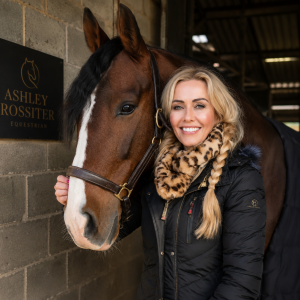
Ashley Rossiter MCIPR is the Founder and Managing Director of MirrorMePR, a multi-award-winning boutique PR and digital marketing agency specialising in equestrian, luxury, lifestyle, pet, beauty and interiors brands.
A qualified journalist with a career spanning journalism, styling, product placement, PR and digital marketing, Ashley and the MirrorMePR team work with businesses on brand strategy, media relations, equestrian PR, digital PR, SEO content, influencer marketing and social media.
Looking for expert equestrian PR or equine marketing support? Discover how MirrorMePR can help your equestrian business build visibility, credibility and lasting brand authority.