By Ashley Rossiter MCIPR, Founder of MirrorMePR
Ashley Rossiter is a qualified journalist and PR professional with more than a decade of agency experience spanning media relations, brand communications and digital PR. Before founding MirrorMePR in 2011, Ashley worked across journalism, television, styling and public relations, giving her first-hand insight into what editors need from brands and the PR professionals representing them.

What do editors actually want from PR agencies?
It sounds like a simple question. But understanding the answer can be the difference between a brand consistently securing effective media relations, valuable editorial coverage and sending pitches that disappear into an already overcrowded inbox.
The short answer is this:
Editors want PR agencies to make their jobs easier.
They want relevant stories, strong angles, reliable information, excellent assets and PR professionals who understand their publication, audience and deadlines.
They don’t want to be bombarded with generic press releases. They don’t want irrelevant pitches dressed up as breaking news. And they certainly don’t want to spend half an afternoon chasing a high-resolution image, price, stockist, spokesperson quote or product information.
At MirrorMePR, we understand both sides of that relationship.
Founded by qualified journalist Ashley Rossiter MCIPR, MirrorMePR combines editorial experience with more than a decade of agency expertise. That means we don’t simply ask, “What does our client want to promote?”
We ask the more important question:
“Why would an editor want to publish this?”
That distinction sits at the heart of effective media relations.
What Do Editors Look For in a PR Pitch?
Editors typically look for five things from a PR pitch: relevance, a clear story, credibility, strong supporting assets and impeccable timing.
The best PR pitches quickly demonstrate why a story matters to that publication’s audience rather than simply explaining why a brand wants publicity.
That’s one of the biggest misconceptions about PR.
A new product may be enormously important to the company launching it. That doesn’t automatically make it editorially interesting.
Great PR finds the point where the brand’s story and the publication’s audience intersect.
And that’s where experienced media relations become invaluable.
1. Editors Want Relevance, Not Mass Emails
One of the fastest ways to lose a journalist’s attention is to send something completely irrelevant to their publication or remit.
Effective media relations isn’t about emailing the greatest possible number of journalists.
It’s about reaching the right journalist with the right story at the right time.
Before approaching the media, a good PR agency should understand what a journalist covers, who their audience is, what types of stories the publication runs and whether the proposed idea genuinely fits.
At MirrorMePR, we call this media matchmaking.
It’s a more considered approach to PR. Rather than treating a media database as a numbers game, we look for genuine editorial alignment between a brand, its story and the media opportunity.
Because 100 irrelevant emails aren’t more valuable than one perfectly placed conversation.
2. Editors Want a Story – Not an Advertisement
“Here is our new product” isn’t necessarily a story.
“Here is why this product matters right now” potentially is.
Editors create content for their readers, viewers and followers. Their job isn’t to provide free advertising for brands.
A successful PR agency therefore needs to think editorially.
That might mean connecting a product to a wider consumer trend, providing expert commentary on a developing topic, identifying a seasonal opportunity, offering compelling founder insight or uncovering an unexpected angle within a brand’s story.
The question we continually ask is:
Why should somebody care?
If a PR pitch can’t answer that quickly, it probably isn’t ready to be pitched.
3. Editors Want PRs Who Understand Their Audience
A national newspaper, glossy lifestyle magazine, beauty title, equestrian publication, pet platform and luxury interiors magazine may all approach stories differently.
The same pitch shouldn’t simply be copied and pasted to each one.
Good PR recognises those nuances.
A beauty editor might need a concise product story supported by ingredients, claims, imagery and expert commentary.
A lifestyle editor may be more interested in the founder, consumer trend or cultural story surrounding the brand.
A specialist equestrian journalist will expect genuine sector knowledge and won’t be impressed by somebody pretending to understand an industry they clearly don’t.
This is why sector expertise matters in PR.
MirrorMePR specialises in luxury, lifestyle, beauty, pet, equestrian, interiors and country brands. We understand the language, consumer behaviour and media landscape within the sectors we represent.
That knowledge helps us identify stories with genuine editorial potential rather than trying to manufacture relevance where it doesn’t exist.
4. Editors Want Everything They Need – Quickly

Journalists work to deadlines.
Often very tight ones.
If an editor requests information at 11am for a feature closing at 1pm, getting back to them tomorrow isn’t particularly helpful.
An effective PR agency needs to be organised enough to respond quickly and accurately.
That means having access to essentials such as:
- high-resolution imagery
- product and lifestyle photography
- accurate pricing
- stockist information
- product specifications
- spokesperson biographies
- expert quotes
- company background
- relevant statistics and supporting information
- samples, where appropriate
This may sound operational rather than glamorous, but it’s one of the foundations of excellent PR.
Reliability builds relationships. And relationships matter.
5. Editors Want Good Images
Never underestimate the power of a great image.
Strong photography can significantly improve a story’s editorial potential, particularly in highly visual sectors such as beauty, fashion, interiors, luxury, pet, and equestrian.
Editors don’t want to chase brands for usable photography.
PR agencies should be able to provide appropriate, publication-ready imagery promptly and understand what makes an image editorially useful.
At MirrorMePR, our eye for visual storytelling has always been an important part of our approach.
Because when you’re competing for editorial space, presentation matters.
6. Editors Want Accuracy
Trust can take years to build and seconds to damage.
Journalists need to know that the information supplied by a PR agency is correct.
Prices need to be correct. Names and job titles need to be correct. Product claims need to be supportable. Quotes need to be properly attributed. Links need to work.
And if something isn’t known, saying “I’ll check and come back to you” is infinitely better than guessing.
Credibility is currency in media relations.
A good PR agency protects both the journalist and the client by making accuracy non-negotiable.
7. Editors Want Experts They Can Actually Use
Modern PR is about far more than issuing press releases.
Brands are often sitting on valuable expertise without realising it.
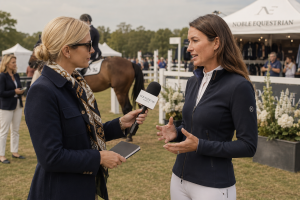
A founder, designer, nutritionist, vet, stylist, beauty expert, entrepreneur or specialist within a company may be able to provide precisely the insight a journalist needs for a feature.
Part of our role as a PR agency is identifying those voices and positioning them effectively.
That could mean supplying a concise expert quote against a deadline, proposing a thought-leadership feature or responding intelligently to an emerging story.
Over time, this can move a business beyond being seen simply as a company selling something.
It can turn the people behind the business into recognised industry authorities.
And that has value far beyond a single piece of coverage.
8. Editors Want PR Agencies to Respect Their Time
Journalists receive an enormous volume of emails.
So brevity is a skill.
A pitch doesn’t need six paragraphs of corporate background before explaining the story.
Lead with the angle.
Explain why it’s relevant.
Provide the essential details.
Make the next step easy.
And know when not to chase.
Following up is part of PR, but repeatedly asking a journalist whether they have seen an irrelevant email doesn’t make the original idea more newsworthy.
Professional media relations requires judgement.
Sometimes that means following up.
Sometimes it means recognising that the story isn’t right and moving on.
9. Editors Want Relationships, Not Transactions
The strongest PR relationships aren’t built around a single campaign.
They’re built over time.
If a journalist knows that a particular PR agency understands their publication, responds quickly and consistently supplies useful ideas and reliable information, trust develops.
That’s when PR becomes much more powerful.
An editor may come directly to the agency looking for a product, expert, comment, competition prize, case study or contribution.
This is one reason established media relationships matter when choosing a PR agency.
A contact list can be purchased.
A trusted relationship can’t.
10. Editors Want PR People Who Understand Editorial
This is perhaps the most important point.
The best PR professionals understand that PR and journalism have different objectives but work best when there is mutual value.
The client wants visibility.
The editor wants excellent content.
The audience wants something interesting, informative, useful or entertaining.
Great PR finds the story that serves all three.
That’s why editorial experience has shaped MirrorMePR’s approach from the beginning.
We don’t believe effective PR is about shouting the loudest.
It’s about knowing what makes a story, understanding who it belongs in front of and presenting it in a way that makes an editor want to know more.
What Makes a Good PR Agency From an Editor’s Perspective?

A good PR agency is relevant, responsive, accurate, creative and easy to work with.
It understands that media relationships are long-term and that protecting an editor’s trust is just as important as securing an individual piece of coverage.
For brands, that’s an important distinction when choosing an agency.
Ask prospective PR agencies about their contacts, certainly.
But also ask:
Do they understand how journalists think?
Because knowing someone’s email address and knowing how to successfully pitch them are two very different things.
Why Media Relationships Matter for Brands
Strong journalist relationships shouldn’t be confused with guaranteed coverage.
No reputable PR agency can – or should – promise independent editorial coverage simply because it knows an editor.
What relationships can create is trust and opportunity.
When journalists recognise an agency as a useful, credible source, they know its emails are worth opening.
That makes it easier to start meaningful conversations around the right brands and stories.
For businesses investing in PR, this is one of the less visible but most valuable assets an experienced agency brings to the table.
What Brands Can Learn From Editors

Even if you manage PR in-house, thinking like an editor will immediately improve your communications.
So, before sending your next pitch out to the press, it’s important that you ask yourself:
Is this genuinely relevant?
Why does it matter now?
What’s the actual story?
Why would this publication’s audience care?
Can I supply everything the journalist needs immediately?
Am I helping – or simply asking for publicity?
If those questions are difficult to answer, the story probably needs more work.
MirrorMePR: PR Built With an Editor’s Mindset
MirrorMePR was founded in 2011 by qualified journalist and PR professional Ashley Rossiter MCIPR, following a career spanning journalism, television, styling and public relations.
That combination of editorial and agency experience continues to influence how we work today.
Our approach combines traditional PR, digital PR, media relations, brand storytelling, SEO-aware content and digital strategy, with specialist experience across luxury, lifestyle, beauty, pet, equestrian, interiors and country brands.
Most importantly, we understand that successful PR isn’t about simply getting a brand mentioned.
It’s about earning the right visibility, in the right places, for the right reasons.
If your brand has a story worth telling, we’ll help you find the angle editors want to hear.
Frequently Asked Questions
What do editors want from PR agencies?
Editors want relevant, newsworthy and accurate information delivered efficiently. They value PR agencies that understand their publication and audience, provide strong images and supporting information, respond quickly to requests and respect deadlines. Above all, they want PR professionals who make their jobs easier rather than adding to their workload.
What makes a good PR pitch to a journalist?
A good PR pitch is concise, relevant and tailored to the journalist. It should explain the story quickly, show why it matters to their audience and make clear why the story is timely. Strong pitches focus on editorial value rather than promotional language.
Do journalists read press releases?
Press releases remain useful when they contain genuine news and make essential information easy to access. However, simply distributing a press release isn’t a PR strategy. A targeted, personalised pitch and a compelling editorial angle can be equally important when approaching journalists.
How do PR agencies build relationships with journalists?
Strong media relationships develop over time through relevance, reliability, and trust. PR professionals build credibility by understanding journalists’ areas of interest, supplying useful stories and assets, responding quickly and avoiding irrelevant or excessive pitching.
Does having journalist contacts guarantee press coverage?
No. Independent editorial coverage should never be guaranteed simply because a PR agency knows a journalist. Strong relationships can help create opportunities and establish trust, but the story still needs to be relevant and meet the publication’s editorial requirements.
Why is industry experience important when choosing a PR agency?
Sector knowledge helps a PR agency understand the publications, journalists, trends, terminology and audiences relevant to a brand. This can result in stronger story angles and more targeted media outreach. MirrorMePR specialises in sectors including luxury, lifestyle, beauty, pet, equestrian, interiors and country brands.
What’s the difference between PR and advertising?
Advertising is paid-for media space where the advertiser controls the message. PR focuses heavily on earned visibility, including editorial coverage, expert commentary and media opportunities. Because editorial coverage involves independent third-party interest, it can play an important role in building brand awareness, reputation and credibility.
Can a small business get national press coverage?
Yes. The size of a business isn’t necessarily what makes a story interesting. A small company can attract significant media attention if it has a strong founder story, expert insight, compelling product, useful data, unusual perspective or a timely angle relevant to a journalist’s audience.
How can MirrorMePR help my brand get media coverage?
MirrorMePR develops tailored PR strategies around a brand’s objectives, audience and story. This can include identifying newsworthy angles, media matchmaking, journalist outreach, press materials, expert positioning, product placement and integrated digital PR activity. The focus is on meaningful visibility rather than coverage for coverage’s sake.
How do I know whether my brand is ready for PR?
A brand is generally ready for PR when it has a clear proposition, a defined target audience, strong brand assets and something meaningful to communicate. However, you don’t necessarily need a major product launch. Expert knowledge, founder stories, business milestones, trends and timely commentary can all create PR opportunities.
Looking for a PR Agency That Understands What Editors Want?
Great media relations start with understanding both sides of the story.
At MirrorMePR, we combine journalistic experience, established media relationships and strategic PR expertise to create stories that work for brands and the journalists they want to reach.
Whether you’re launching a new brand or product, looking to increase your visibility or want to become a recognised authority within your industry, we’d love to hear your story.
Talk to MirrorMePR about your PR and media strategy.