Texture in your home can create visual interest, evoke emotions, and enhance the overall aesthetic of a space. When thoughtfully applied, textures can turn a flat, lifeless room into a dynamic and inviting environment. Our interior design marketing experts share tips for what works and why and how you can harmoniously incorporate textural elements into your interiors and embrace the power of texture.
Understanding Texture in Design
Texture in interior design refers to the surface quality of a material. It can be seen and felt, adding dimension and character to spaces. Textures can be categorised into two main types:
- Tactile Texture: This refers to how a surface feels. A textured surface such as rough, smooth, soft, or hard gives you a tactile experience. For instance, plush, soft velvet cushions exude comfort. At the same time, natural materials such as furniture texture displayed through a piece of furniture like a rustic wooden coffee table add an earthy touch.
- Visual Texture: This is about the appearance of a surface without direct touch. A wallpaper with a glossy finish creates a shiny, luxurious feel, while matte paint can produce a calm, understated effect.
Should You Put Texture on Everything in Your Design?
While texture plays an integral role in interior design, exercising restraint and thoughtfulness when applying it throughout a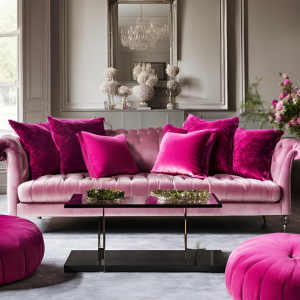 space is essential. Overloading a room with too many textures can lead to a chaotic and overwhelming experience. Instead, the key lies in creating a balanced and harmonious environment where texture enhances rather than dominates.
What are the three types of texture in interior design?
Texture holds a unique place in interior design, serving as a powerful element that shapes not only the visual aesthetic of a room but also its emotional resonance. Understanding and applying texture effectively can transform even the most mundane spaces into vibrant and inviting environments. There are three types of texture in interior design: creating depth and dimension, defining zones and areas and fostering comfort and warmth.
Examples Of Actual Texture in Interior Design
Here are some examples of actual textures in interior design and how they can impact your sensory and visual experience.
Adds Depth and Dimension
Introducing varied textures can create a sense of depth in a design scheme where colours and shapes may feel flat. For example, mixing a soft wool throw with smooth leather furniture can draw the eye and make the space more inviting.
Enhances Sensory Experience
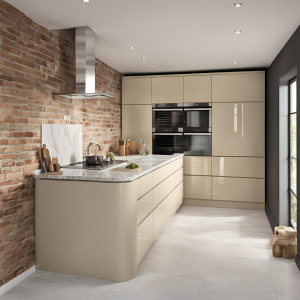 Texture plays a significant role in the sensory experience of a space. It invokes emotions and feelings that go beyond visual appeal. A cosy, textured rug underfoot can invite a sense of warmth and comfort, encouraging you to spend more time in that space. In contrast, stark and cold surfaces such as brick walls may evoke feelings of sterility or discomfort. By choosing the right textures, designers can curate an environment that resonates with the occupants and creates the desired ambience with hints of lighter textures.
Creates Focal Points
Different textures can create focal points in a room with visual impact, drawing attention to specific areas or features. For instance, one design tip is to pair a feature wall with a rough stone finish that can contrast beautifully with surrounding smooth, painted walls, becoming a standout element in the room. Alternatively, textured drapery against a sleek window frame can offer additional texture and add interest without overwhelming the design narrative.
Supports Design Themes
Texture is an essential tool in establishing and reinforcing design themes. For example, make a design statement with a bohemian-style room by incorporating an eclectic mix of woven textiles, rattan furniture, and macramé wall hangings. In contrast, a modern minimalist space may emphasise a sleek, polished feel with glass and metal surfaces which play off the room’s light sources while integrating subtle textures like soft linens or matte ceramics to provide warmth without overpowering the simplicity of the design.
Balances Elements in a Room
In interior design, balancing various elements is crucial for a harmonious space. Texture can be a deciding factor in achieving this balance. For instance, placing a rough, reclaimed wood table alongside sleek, modern chairs with plush textures can create a beautiful contrast that highlights both elements. Similarly, if a room is filled with smooth surfaces, introducing a woven basket or a shaggy rug can break the monotony and add an element of surprise in the form of texture, ensuring the space feels dynamic and balanced.
Facilitates Colour Interaction
Texture also plays a crucial role in how colours interact within a space. How light reflects off various surfaces can alter our perception of colour with this simulated texture, sometimes enhancing or muting it. A textured wall can make a paint colour appear more profound and saturated, while a shiny, smooth texture may highlight a shade’s vibrancy. Playing with texture with colour is a design tip worth trying. This phenomenon allows designers to use texture to manipulate how colours are experienced, making it easier to create the desired atmosphere within a room.
Encourages Cohesion and Flow
When executed thoughtfully, texture can help create a seamless flow throughout a home. By weaving similar textures into different rooms, design experts can establish a cohesive narrative that guides the eye from one space to another. For example, using the same type of fabric—such as linen—on curtains in the living room and upholstery on dining chairs can connect these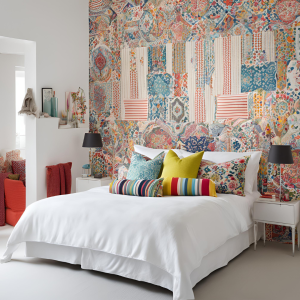 areas while allowing for individual character within each space. In this way, texture creates a visual thread that enhances the overall design and functionality, making transitions feel smooth and deliberate rather than jarring or disjointed.
Enhances Sensory Experience
The importance of texture in interior design extends beyond the visual appeal; it significantly impacts the sensory experience of a space. Different textures evoke various feelings and reactions. Soft, plush fabrics can create a comforting and inviting atmosphere, encouraging relaxation and ease. In contrast, smooth or sleek surfaces—like polished marble—can evoke a sense of elegance and sophistication. By thoughtfully selecting textures that resonate with the desired mood of a space, designers can create environments that look appealing and feel welcoming and engaging on multiple sensory levels.
Promotes Personal Expression
Incorporating various textures allows homeowners to inject their personality into their spaces. Textiles, furniture, and decorative elements can be extensions of one’s individuality. For instance, a vintage quilt draped over a modern sofa can add personality to a room and home. Statement pieces in stores like Andrew Martin can transform a home and make a personal statement.
5 Interior Design Ideas You Can Own