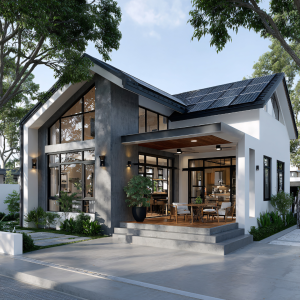
 The luxury property market has always been a catalyst for wider cultural, economic, and technological change. However, as we move into 2026, high-net-worth buyers are no longer motivated solely by scale or status. Instead, they are seeking meaningful abodes, longevity, privacy, and experiences that enhance both lifestyle and legacy.
From championing discreet sustainability to hospitality-level wellness, here are the defining luxury property trends that are shaping 2026. The MirrorMePR Luxury Lifestyle Marketing & PR experts explain why they matter for developers, investors, and brands operating at the premium end of the market.
1. Quiet Sustainability Becomes the Ultimate Status Symbol
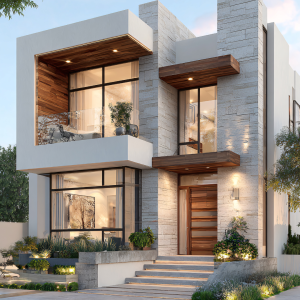
Sustainability is no longer a headline feature; in 2026, it is an expectation, executed with subtlety and precision. Your luxury buyers want homes that are future-proofed without compromising aesthetics.
We’re seeing increased demand for:
- Carbon-neutral or carbon-negative homes
- Invisible green eco-technologies (geothermal heating, solar integrated into architecture)
- Locally sourced, natural materials with long-term durability and a low carbon footprint are in
The shift is clear: overt “eco” branding is out, while intelligent, seamlessly integrated sustainability is in. For luxury property marketing, this means communicating environmental credentials with confidence, but never shouting about them.
2. Wellness Architecture That Goes Beyond The Spa
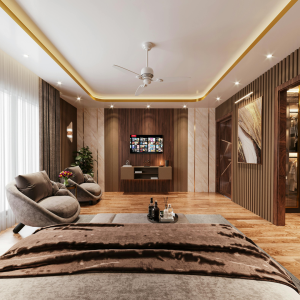 The evolution of wellness and self-care continues to mature, moving from a desirable add-on to a core design principle this year. In 2026, luxury homes are being designed to actively improve physical and mental well-being.
Key features defining this trend include:
- Circadian lighting systems aligned to natural sleep cycles
- State-of-the-art air and water purification
- Biophilic design that blurs the distinction between indoor and outdoor living
- Dedicated wellness zones for meditation, recovery, and movement
The most successful luxury developments now position wellness as a daily experience rather than an occasional indulgence. Wellness is a powerful emotional driver in both buyers’ decision-making and a signature aspect of a successful property developer’s storytelling.
3. Technology That Anticipates, Never Interrupts
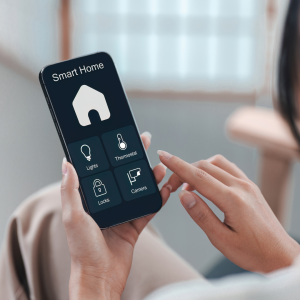 Smart homes are nothing new. However, in 2026, luxury buyers are rejecting complexity in favour of intuitive, invisible systems.
The new smart home standard for 2026 includes:
- AI-driven climate, lighting, and security that adapts to behaviour
- Voice-free environments with discreet automation
- Cybersecurity as a core property feature, not an afterthought
Luxury consumers expect technology to work quietly in the background, enhancing privacy and comfort rather than drawing attention to itself. From a marketing perspective, this trend is less about features and more about reassurance, control, and ease.
4. Branded Residences Continue to Rise, but With Greater Sophistication
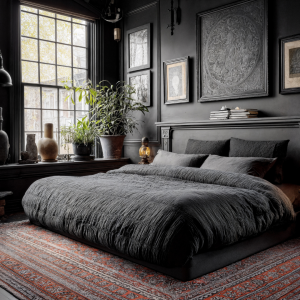 Branded residences are entering a more refined era. Buyers in 2026 are highly selective. Buyers are searching beyond the logo to the brand’s credibility, service model, and longer-term value.
What’s changing:
- Stronger alignment between brand values and architectural design
- Hospitality-led service experiences tailored to private living
- Fewer, more exclusive partnerships rather than mass expansion
- Beautiful interiors for inspiration
For luxury property brands, authenticity and credibility are critical. Successful developments are those that enhance the living experience, not just the sales price.
5. Privacy, Security, and Discretion Take Centre Stage
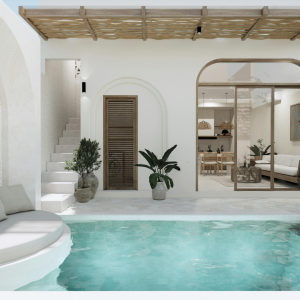 In an increasingly connected world, privacy has become one of the most valuable luxury commodities. High-end buyers are prioritising properties that offer sanctuary, control, and discretion.
This is driving demand for:
- Gated or low-density developments
- Advanced security systems are designed to be unseen
- Private amenities that reduce the need for external exposure
Marketing strategies in 2026 are responding accordingly — focusing less on visibility and more on trust, confidentiality, and reputation.
6. Flexible Luxury for The New ‘Multi-Generational’ Living
 Luxury homes are now being designed for longevity, embracing layouts that adapt to changing family dynamics and lifestyles. The London Luxury Property Market reflects this desire for Multi-generational living, which is no longer a niche concept; it’s a strategic design consideration.
Design solutions include:
- Private wings or separate entrances
- Dual-purpose spaces that evolve over time
- Increased emphasis on accessibility without clinical aesthetics
For developers and marketers, this trend speaks directly to value retention and emotional longevity — two key motivators for premium buyers.
What This All Means for Luxury Property Marketing in 2026
Luxury property marketing in 2026 is less about spectacle and more about substance. Buyers are informed, globally mobile, and emotionally driven. The modern luxury property buyer demands clarity, credibility, and storytelling that reflects their core values.
Winning strategies focus on:
- Thoughtful brand narratives rather than overt sales language
- Content-led marketing that educates and reassures
- A refined digital presence aligned with offline experiences
In short, the future of luxury property is intelligent, restrained, and deeply emotionally connected.
Our Final Thoughts
The biggest luxury property trends for 2026 reveal a market that is maturing. Where success is defined not by excess, but by intention. Properties that combine sustainability, wellness, technology, and discretion will not only command attention but also offer enduring value.
For those shaping and marketing luxury real estate, the opportunity lies in understanding not just how buyers live, but how they want to feel, now and in the future.
4 Luxury Interior Design Ideas To Try At Home