As we look forward to the spring and warmer weather, finally escaping the winter months, our equine marketing team and (horse owners) share their top tips and advice for refreshing your horse’s care routine in readiness for summer horse care.
All Change
 Just as the seasons change, so should your rugs. As a new horse owner, this might not be immediately obvious with a smaller equine wardrobe. While it might not entirely be warm enough to store away all the winter rugs from the colder months, you can certainly sort out your lighter-weight rugs and fly sheets. Could you check for any damage and get these cleaned and repaired for the summer months ahead? Also, check if your rugs need reproofing, as a wet horse in the spring is a cold horse.
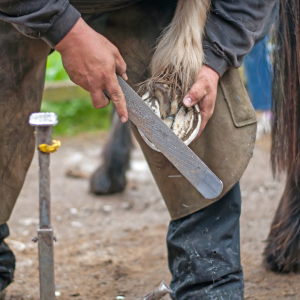
Keep an eye on your horses’ hooves. Regular hoof care is essential all year round to prevent balance issues, but in the spring, horses can still suffer from lost shoes in the muddy winter horse fields. Hoof health can also be affected by conditions such asthrush. Muddy fields can also cause mud fever, so check your horse’s legs during your daily grooming routine. Ensure you have a strategic parasite control program to reduce health risks to your horse.
A Change In Exercise And Routine
 If you have given your horse a winter holiday, slowly increase your exercise routines to avoid health issues. Also, get your saddle checked and ensure that your horse’s dental care is up to date. Often, horses can become quite excitable in the spring months. The combination of spring grass and warmer weather can make them feel very good about themselves, so managing sharp horses in the spring can be quite a challenge.
Check Your Pasture Condition
Winter can damage your fields. Wet conditions can muddy a field, which turns rutty as it dries out. Prepare your fields by rolling and re-seeding for good pasture growth in the summer. If you rotate fields from winter to summer, remember that warmer weather can encourage lush pastures to develop. Therefore, section off grazing, use a grazing muzzle or reduce field time to keep your horse healthy and your equine companions safe.
Winter Coats Into Summer Coats
 Your adult horse will start to lose his winter coat with the warmer weather and the longer daylight hours will encourage his summer coat to come through. Be prepared for some serious seasonal grooming! Consistent grooming will help your horse shed his winter coat and help develop a healthy coat. It allows you to check your horse for any lumps, bumps or cuts. Get into a grooming routine that you both enjoy. Regular grooming soon turns your horse into a shining example of health and well-being with a glossy coat!
A Weighty Subject
Please record your horse’s body weight and note their body condition. They may be coming out of the winter a little on the leaner side, especially if they are mature horses. However, that weight loss can quickly turn to weight gain with spring grass and rapid grass growth, so keep an eye on them to maintain a healthy weight and to avoid issues such as laminitis or other metabolic health issues from developing. Their body condition score can monitor horse health. Speak to an equine nutritionist if you are unsure what to feed coming into the spring months.
Plan For Hot Weather
While we might still be dealing with wet conditions in spring, it won’t be long before the hot weather arrives, and those physical jobs will be more exhausting in the heat! Check your horse has adequate shelter, either man-made shelters or natural shelters, to keep your horse cool in rising temperatures, and undertake any shelter or fencing repairs now to keep your horse safe before weather conditions change. Check that the water troughs are working to keep your horse hydrated. Check that there is ample access to water in all fields and stables. Your average horse drinks between 5 and 15 gallons (approximately 20–55 litres) of fresh water in 24 hours.
Spring Respiratory Health
Seasonal allergies can start to appear in the spring months. Cold weather can be a blessing for those horses that suffer from respiratory issues if they can enjoy more field time during the cold weather. As temperatures increase, like humans, allergic reactions to certain pollens, moulds or other environmental allergens suspended in the air can play havoc with your horse’s breathing. Seek veterinary advice for medicines and stable management, which might help the condition.