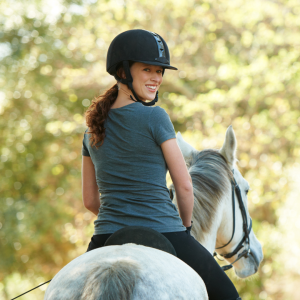
 Summer should be the perfect time to enjoy the great outdoors with your horse, but rising temperatures also bring risks. Just like humans, horses can suffer from heat stress, dehydration, and fatigue if not adequately cared for. Whether you’re a seasoned equestrian or a new horse owner, adapting your horse’s routine to the heat is crucial for their health and performance. Here’s how to do it right with these expert tips from our creative equine PR and marketing team…
Recognising Heat Stress in Horses
Whilst horses are incredibly athletic animals, they don’t handle extreme heat well. When temperatures soar, horses are at risk of heat stress, a condition that can quickly escalate into heat exhaustion or even heat stroke if not addressed. Common symptoms include excessive sweating (or a complete lack of it), lethargy, an elevated heart rate, rapid breathing, and dark or reduced urine output.
If your horse seems unusually fatigued during work, is panting heavily, or is reluctant to move, it could be overheating. Always stop exercising immediately and begin a cooling-down process. The sooner you recognise the signs, the quicker you can act to prevent serious health issues.
Move Your Riding Schedule
One of the simplest and most effective changes you can make during summer is adjusting the time of day you ride. Avoid riding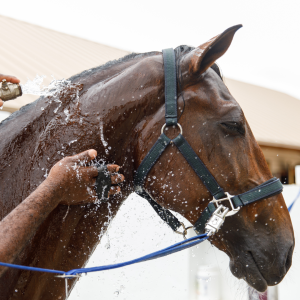 during the hottest hours—typically between 10 a.m. and 4 p.m. Instead, aim for early morning or late evening when temperatures are cooler and the sun’s intensity has decreased.
Adjust your exercise routine during heatwaves. Allow for more breaks, ride in shaded areas if possible, and always keep an eye on how your horse is handling the conditions. Be particularly vigilant in humid weather, where the sun might not be shining, but the summer heat is stifling.
Cancel Your Travel Plans
If you’re thinking of travelling to a competition or bringing your new horse home, always check the temperatures. In the UK, it is illegal to travel with your horse in temperatures where the external temperature exceeds 30°C unless the vehicle has a thermoregulation system. This ban is due to the risk of unnecessary suffering from heatstroke, particularly in confined and poorly ventilated spaces such as horseboxes.
 Prioritise Hydration and Electrolytes
 Prioritise Hydration and Electrolytes
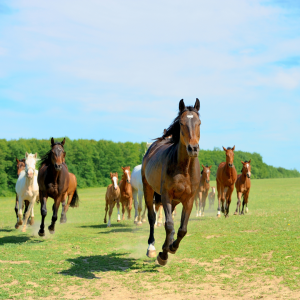
Hydration! Keeping your horse hydrated during summer is vital. A horse can drink between 10 to 20 gallons of water per day and even more when working in the heat. Always provide access to water sources with cool, clean water, and check that your horse has water access in their field. Ensure your water troughs and buckets are refilled and cleaned regularly to prevent bacterial growth.
In addition to offering water, horses lose essential electrolytes like sodium, potassium, and chloride when they sweat. Replenish these by providing a quality electrolyte supplement, especially after exercise. Some horses benefit from salt blocks or loose salt in their feed to stimulate thirst and maintain hydration levels.
Cool Down Effectively After Workouts
After exercise, your horse needs an efficient cool-down routine. Begin with a slow walk to bring the heart rate down, then apply cold water over the horse’s large muscle groups, particularly on the neck, shoulders, and hindquarters. Repeat the process as needed until your horse’s temperature, respiration, and pulse return to normal. Using fans or shade can speed up the cooling process, and in some cases, standing in a shallow water area or misting systems may also help, especially in extremely hot climates.
Maximise Shade and Shelter Access
If turning your horse out in the field during the day, ensure they have access to adequate shade. This can be natural shade, such as trees and tall bushes, or artificial cover, such as a field shelter. A shaded area can be significantly cooler and provides necessary relief from the sun’s direct heat. Make sure there is plenty of space inside for the whole herd and that the field shelter is open-fronted to allow all members of the herd to enter freely.
In addition to offering shade and UV protection in the field, ensure your stable is well-ventilated. Open any windows or install ventilation systems to maintain airflow. Poor ventilation can trap heat and humidity, making your barn feel stifling and uncomfortable for your horse during the summer months.
Protect Against Sunburn and Flies
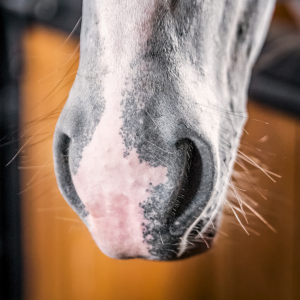
Summer also brings increased UV exposure and an increase in flies. Horses with light-coloured coats or pink skin, especially on the nose or around the eyes, are more prone to sunburn. Apply equine-safe sunscreen and consider using UV-protective fly masks to protect your horse.
Flies, mosquitoes, and other biting insects can also become a serious nuisance, with some horses finding turnout unbearable. Use fly sprays, repellents, and fly sheets, and regularly poo-pick your fields to help keep the pest populations under control. A good pest control routine protects your horse from irritation, infections, and diseases transmitted by insects.
Don’t Forget Hoof and Coat Care
 Don’t Forget Hoof and Coat Care
Hot, dry ground can cause hooves to crack, while damp or muddy conditions may lead to thrush or abscesses. In the UK, our climate fluctuates between extremes, so keep a close eye on your horse’s feet and adjust accordingly to the weather conditions. Pick out your horse’s hooves daily and maintain a regular farrier schedule to catch any issues early. Providing clean, dry-standing areas helps keep hooves in good condition.
Some horses may also grow a thick coat due to hormonal imbalances or age. If your horse seems to struggle with heat despite light work, consider a partial or complete body clip to help them regulate temperature better. Groom regularly to remove loose hair and sweat buildup, which can trap heat and cause skin irritation.
Frequently Asked Questions
Q: What temperature is too hot to ride a horse?
Generally, if the combined temperature (°F) and humidity exceeds 150, it’s unsafe to ride. However, ask yourself if you would like to be weightlifting in this heat while wearing non-breathable equipment. If the answer is no, then don’t ride! A hand walk for some hand grazing in the shade would be much nicer for your horse.
Q: How can I tell if my horse is overheating?
Look for excessive or absent sweating, rapid breathing, lethargy, a high heart rate, and elevated body temperature. If in doubt, stop exercising and begin cooling your horse immediately. If you’re finding the weather too hot, then your horse will be!
Q: Should I give my horse electrolytes every day in summer?
If your horse is in regular work or sweating a lot, daily electrolytes can help replenish lost salts. Always provide access to clean, fresh water alongside any electrolyte supplementation to give your horse a choice.
Q: Is it okay to hose my horse off every day?
Yes! Hosing your horse with cool water is an effective way to reduce its body temperature. There is some debate about the effectiveness of using a sweat scraper after bathing a horse during hot weather. However, recent research now suggests that your horse actually stays cooler if you leave water on their coat when returning them to their stable.
Q: How can I keep flies away from my horse during turnout?
Use a multi-pronged approach: fly masks, fly rugs, sprays, and keeping turnout areas clean. Consider rotating turnout times to early morning or evening when flies are less active. Don’t forget, though, that wearing a fly rug in full sun and in the heat of the day can still make your horse too hot. Think about bringing your horse into their stable earlier so they can have some respite against the flies and the heat of the sun.
Summer riding can still be safe and enjoyable for you both. Create a heatwave plan that you can refer to when the time comes. Be flexiable in your riding times and schedule and if you can’t fit in riding, then a few days off won’t hurt! Make sure you monitor their hydration levels and regularly check water sources. Incorporate a proper cool-down routine, even if your horse is not being ridden, they will still appreciate a cold shower, and ensure that shade is freely available to all the herd.
Final Thoughts
By following these tips, it is possible to protect your horse from heat stress. Don’t forget to stay vigilant for any early signs of discomfort, and always prioritise your horse’s well-being over your riding agenda.
Stay cool and follow these summer horse care tips to keep your horse happy and healthy all summer long.