In today’s beauty landscape, getting your product in front of the right people has never been easier, or more challenging.
Consumers are constantly discovering new skincare, makeup and wellness brands using TikTok tutorials, Instagram reviews, beauty editor recommendations and AI-driven searches. With so many channels competing for attention, beauty brands are asking an important question:
Should you invest in beauty PR or influencer marketing, and which actually leads to sales?
The truth is, there is no single winner.
Influencer marketing can create an instant buzz and drive quick purchases, while beauty PR builds something much harder to buy: credibility, authority and long-term trust.
The most successful beauty brands appreciate that conversions don’t happen from just a single interaction. A customer might first see your serum in a creator’s morning routine, read about it in a beauty magazine a week later, and finally purchase it after seeing a glowing review online or be retargeted through Google Ads.
That’s why the strongest beauty marketing strategies combine both.
What Is Beauty PR?
Beauty PR is all about moulding how people see and talk about your brand.
Rather than paying directly for exposure, PR focuses on securing meaningful mentions through trusted voices, whether that’s a beauty journalist, an industry expert, a celebrity or a respected publication.
A comprehensive beauty PR strategy may include these aspects:
- Articles in beauty magazines and online publications
- Product reviews by beauty editors
- Celebrity gifting and seeding
- Founder interviews and expert commentary
- Industry awards and recognitions
- Launch events and brand experiences
- Inclusion in “best beauty products” and seasonal gift guides
At its heart, beauty PR is about creating trust.
When a customer sees your product recommended by a beauty editor or featured alongside established industry names, it serves as effective social proof.
Why Beauty PR Drives Long-Term Conversions
Beauty is a personal purchase. Consumers are putting products on their skin, hair and body, so trust plays a huge role in the buying decision.
A glowing editorial mention can have an impact far beyond the day it goes live.
For example, a skincare brand featured in a “Best Serums for Dry Skin” article may continue capturing potential customers through Google searches months or even years later.
This gives Beauty PR a unique advantage: it keeps working long after the initial coverage appears.
Beyond immediate visibility, strong PR can help a beauty brand build authority online, improve search visibility and become part of the conversations that customers — and increasingly AI search tools — rely on when looking for recommendations.
What Is Influencer Marketing?
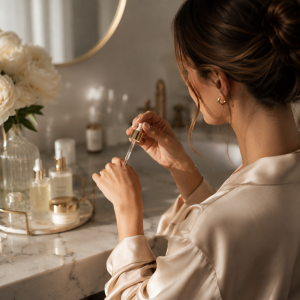 Influencer marketing focuses on partnering with content creators who have built loyal communities on platforms such as TikTok, Instagram and YouTube.
These creators introduce products through authentic experiences, whether that’s a tutorial, a first impression, a skincare routine or a genuine review.
Typical beauty content creator partnerships include:
- Sponsored posts and videos
- Product demonstrations
- Unboxings
- Before-and-after content
- Affiliate partnerships
- Long-term brand ambassador relationships
The reason influencer marketing works so well for beauty is simple: people want to see products in real life.
A lipstick shade, foundation finish or skincare result usually feels far more convincing when demonstrated by someone consumers already follow and trust.
Why Influencer Marketing Converts Quickly
If beauty PR is a slow burn, influencer marketing is often the spark.
A well-matched creator can introduce your product to thousands — or even millions — of potential customers almost instantly.
A single viral TikTok can lead to products selling out overnight, while a trusted micro-influencer can drive highly engaged traffic from a niche community.
The biggest advantage of influencer marketing is speed.
It’s important to remember that social content can have a shorter lifespan. Once the excitement around a post fades, the outcome often decreases unless the content continues to perform organically or is supported by a wider marketing strategy.
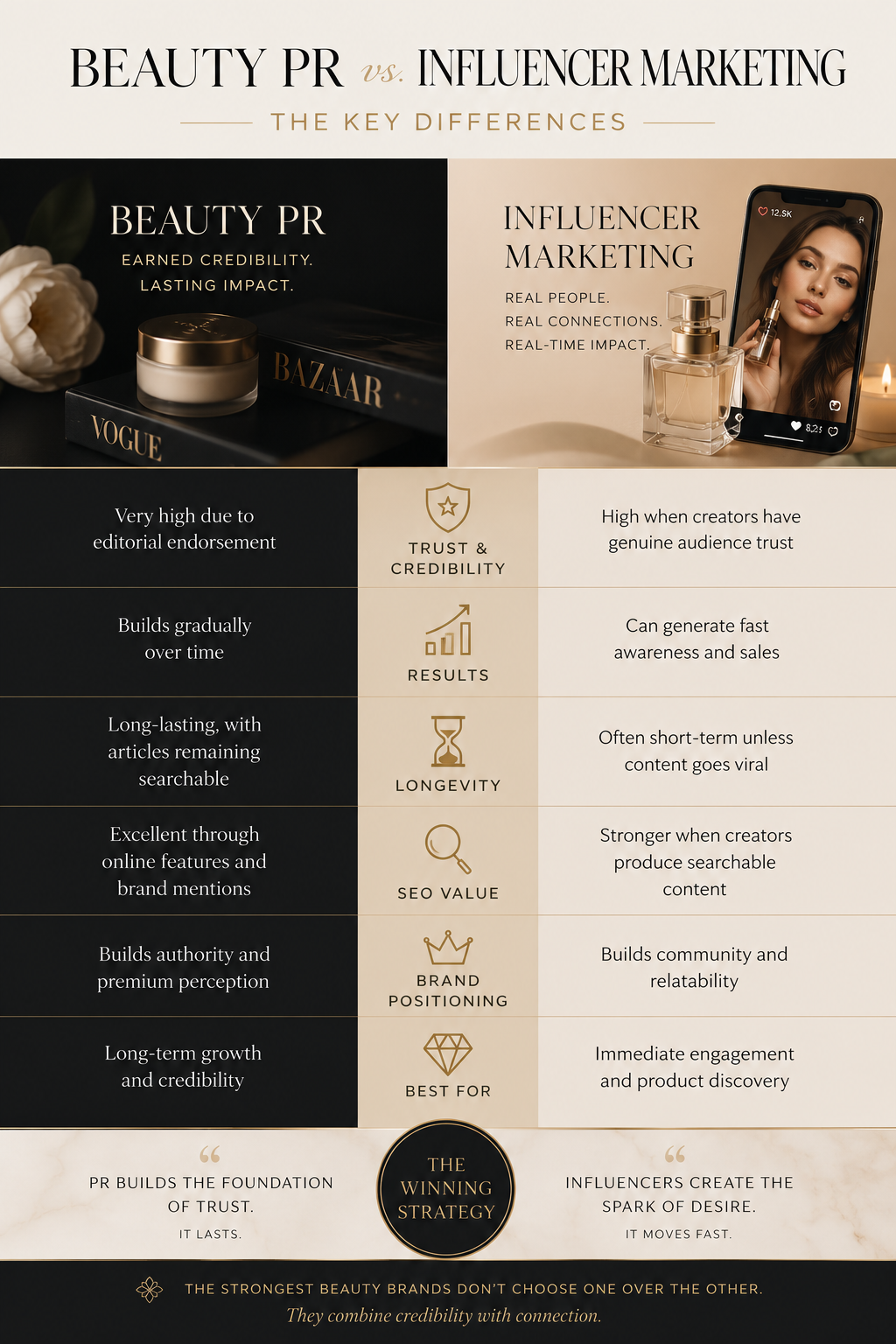
Beauty PR vs Influencer Marketing: The Key Differences
Why Beauty PR Matters More in the Age of AI Search
The way consumers search for beauty recommendations is changing.
Instead of only typing “best vitamin C serum” into Google, consumers are increasingly asking AI assistants questions on topics like:
- “What are the best skincare brands for glowing skin?”
- “Will Vitamin C serum help with acne?”
- Does Vitamin C Serum actually do anything?
- “Which beauty products are actually worth the money?”
- “What do beauty editors recommend?”
AI systems look for trustworthy, widely discussed sources when forming responses.
This shift in digital search means that brands that have been featured in reputable publications, recognised by industry experts, and consistently discussed online are more likely to appear in AI-generated recommendations.
In other words, modern beauty PR is no longer simply about getting press; it is about building a digital footprint that keeps your brand visible across Google and AI search.
The Best Results Come From Combining Both Beauty PR and Influencer Marketing
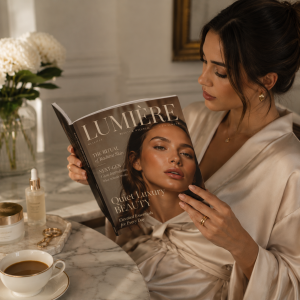 The brands seeing the greatest success today are not choosing between beauty PR and influencer marketing; they are using both.
A smart beauty launch might look like this:
First, create credibility with PR:
- Secure media reviews.
- Tell the founder’s unique story.
- Gain expert endorsements.
- Place brand spotlight pieces.
- Build media recognition.
Then, create a conversation with influencers:
- Partner with micro-creators for authentic recommendations.
- Work with larger creators to reach new audiences.
- Generate tutorials, reviews and real-life demonstrations.
Finally, maximise the value of both:
- Share press features throughout social channels.
- Use influencer content on websites and advertisements.
- Add editorial quotes to product pages and newsletters.
The more places a customer sees your brand, the more confidence they have in purchasing.
So, Which Converts Better?
If you need immediate awareness and a quick boost in sales, influencer marketing often delivers faster results.
If you want to build a respected beauty brand with stronger search visibility, long-term credibility and greater authority, beauty PR offers lasting value.
The reality is that customers rarely purchase after just one interaction.
They might discover a product on TikTok, research reviews online, see it featured in a beauty publication, and then decide to buy.
The beauty brands that convert best are the ones that show up throughout that entire journey.
Final Thoughts
The conversation around beauty PR vs influencer marketing shouldn’t be about choosing one over the other. Community-led PR strategies also promote brand growth.
The beauty brands that thrive in 2026 and beyond will be those that balance the immediacy of influencer marketing with the trust and authority that beauty PR creates.
In a fast-paced digital world where consumers are influenced by social media, search engines and AI recommendations, the winning strategy is simple:
Create a brand people see, trust and remember.
How PR and Social Media Work Together to Increase Brand Awareness, SEO and Sales